
Highlights
- Covers weeks 14 to 26 of gestation (obstetric weeks).
- Known as the “golden period” of pregnancy due to increased stability and improved well-being compared to the first trimester.
- The placenta is fully formed, supplying nutrients and oxygen to the baby.
- The fetus grows rapidly in length, with bones, muscles, and organs maturing.
- Fetal movements typically begin to be felt between weeks 18 and 20.
- Emotional stability and physical adaptation improve for most expectant parents.
- Important medical monitoring includes second-trimester screening, ultrasound, and blood tests.
- Nutrition, vitamin intake, and lifestyle choices play a critical role in maternal and fetal health.
In This Article
- Duration of the Second Trimester
- Maternal Changes and Adaptation
- Fetal Development and Milestones
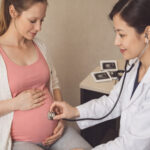
- Medical Checkups and Screenings
- Nutrition and Recommended Foods
- Vitamins and Micronutrients
- Common Symptoms and Possible Problems
- Uterine Tone and False Contractions
- Lifestyle Restrictions and Recommendations
- Sexual Activity in the Second Trimester
- Managing Colds and Minor Ailments
- Emotional Well-Being and Support
- Tools and Assistance
Duration of the Second Trimester
The second trimester spans week 14 through week 26. During this time, many early pregnancy discomforts (such as morning sickness) usually subside. Energy levels often improve, and visible changes in the mother’s body become more pronounced.
Maternal Changes and Adaptation
- By week 14, the uterus grows rapidly, becoming rounder, with its top rising 10–15 cm above the pubic bone.
- The abdomen becomes visibly rounded, making pregnancy more noticeable.
- Emotional stability improves as the body adapts to hormonal changes.
- Early pregnancy symptoms such as nausea and appetite loss typically decrease.
Fetal Development and Milestones
- Weeks 14–16: Facial features refine; the skeleton strengthens.
- Week 18–20: First fetal movements (quickening) are usually felt.
- Week 20: Fine hair (lanugo) covers the body; chest movements simulate breathing.
- Week 22–24: Organs mature; lungs begin “training” movements with amniotic fluid.
- By Week 26: Nervous, digestive, and respiratory systems show significant progress.
Medical Checkups and Screenings
- Weeks 15–19: Triple screening test for chromosomal anomalies.
- Week 20–24: Morphological ultrasound to examine fetal anatomy.
- Week 24–26: Coagulation testing (coagulogram).
- At each visit: urine tests, weight monitoring, blood pressure measurement, fetal heart monitoring (from week 24).
Nutrition and Recommended Foods
Balanced nutrition is crucial.
Recommended foods:
- Whole-grain bread, cereals, nuts.
- Vegetables, greens, and fresh fruit (fiber-rich).
- Eggs, fish, lean meat, milk, and fermented dairy.
Foods to avoid:
- Carbonated drinks.
- Smoked, fatty, fried foods.
- Artificial additives, dyes, flavor enhancers.
- Common allergens (chocolate, citrus, strawberries).
Vitamins and Micronutrients
- Iodine: Supports thyroid function and fetal brain development.
- Iron: Prevents anemia; deficiency may cause uterine hypertonicity, weakness, and fetal hypoxia.
- Calcium: Essential for skeletal and dental development; supports maternal muscles and nerves. Best absorbed with vitamin D.
- Magnesium: Helps regulate muscle function, reducing the risk of cramps and uterine tension.
Common Symptoms and Possible Problems
- Breast enlargement and nipple sensitivity.
- False contractions (Braxton Hicks).
- Heartburn, indigestion.
- Stretch marks, pigmentation changes.
- Leg cramps, dizziness, nasal congestion.
- Gum sensitivity and occasional bleeding.
- Vaginal discharge or urinary infections.
Uterine Tone and False Contractions
- Increased uterine tone may appear from week 20.
- Symptoms: abdominal tightening, discomfort similar to menstrual cramps.
- Can result from stress, thyroid disorders, viral infections, or physical strain.
- Treatments may include rest, magnesium, B6 vitamins, or progesterone-based therapy (under medical supervision).
- Severe cases require hospitalization.
Lifestyle Restrictions and Recommendations
Avoid:
- Smoking and alcohol.
- Stress, overwork, lack of rest.
- Heavy lifting (>3 kg).
- Saunas or steam rooms over 15 minutes.
- Unprescribed medications.
Sexual Activity in the Second Trimester
In the absence of complications, sexual activity is generally safe. Comfort, gentle positions, and partner attentiveness are advised. Fears of harming the fetus are largely unfounded if precautions are followed.
Managing Colds and Minor Ailments
- Self-medication should be avoided; most drugs are contraindicated in pregnancy.
- Preventive steps: avoiding crowds during flu season, maintaining strong immunity, regular ventilation, and avoiding temperature extremes.
- If illness occurs, medical guidance is essential.
Emotional Well-Being and Support
The second trimester often brings emotional balance. Bonding with the baby can be enhanced by talking or singing, as studies suggest the fetus can recognize voices. Involvement of partners helps strengthen family connection.
Tools and Assistance
- Medical Monitoring: Monthly visits until week 20, then biweekly until week 28; ultrasound, screenings, urine and blood tests.
- Diagnostic Tools: Morphological ultrasound (weeks 20–24), coagulation testing (weeks 24–26), triple test (weeks 15–19).
- Nutritional Guidance: Meal plans emphasizing calcium, magnesium, iodine, and iron intake.
- Practical Apps: Pregnancy trackers, fetal kick counters, and nutrition planners.
- Support Systems: Prenatal classes, online communities, professional counseling.
- Preventive Care: Monitoring uterine tone, addressing anemia, managing stress, and ensuring balanced rest.










Please log in to leave a comment.