Highlights
- Separation anxiety in children is a fear of being separated from their parent or carer.
- It’s common for babies and young children to be upset when someone they love leaves, even for a short time.
- Separation anxiety usually starts at 6 to 8 months old and typically improves by school age.
- Strategies can help reduce your child’s anxiety and assist them in settling into new environments.
- If anxiety is severe, persistent, and affects daily functioning, see a doctor.
In This Article
- What is separation anxiety?
- What causes separation anxiety?
- What are the signs of separation anxiety?
- What can I do to help my child settle into a new environment?
- What can I do if separation anxiety gets more serious?
- Tools And Assistance
What is separation anxiety?
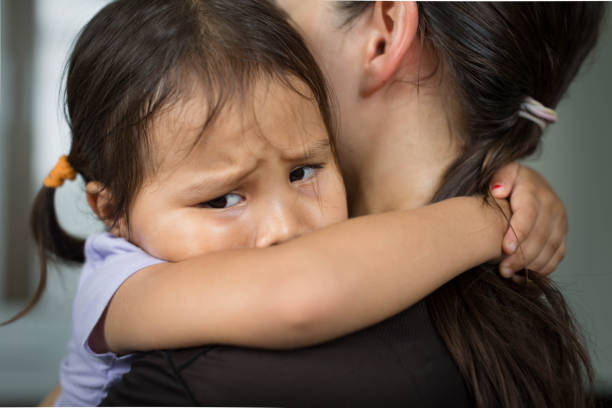
Separation anxiety occurs when a child becomes distressed when separated from a familiar person. It is a normal part of development, often indicating a strong attachment to parents or carers, which is important for growth.
What causes separation anxiety?
Babies become attached to those they trust and feel safe with. Separation from these caregivers can cause anxiety, especially when the child doesn’t understand that the loved one will return.
Children may experience anxiety when left alone at bedtime or in new environments like daycare.
What are the signs of separation anxiety?
Children show anxiety in different ways, depending on their age and personality. Signs include:
- Crying
- Tantrums
- Clinginess
- Shyness
- Refusal to speak or be comforted
Some children experience physical symptoms, like:
- Headaches
- Stomachaches or vomiting
- Difficulty sleeping
What can I do to help my child settle into a new environment?
It’s important to acknowledge your child’s feelings and support them in managing their anxiety. You can:
- Leave them with someone familiar.
- Create a regular drop-off routine.
- Say goodbye briefly and reassure them you’ll return.
- Provide a comfort object.
- Ensure the caregiver greets them warmly and keeps them engaged.
- When you return, focus on your child and show how happy you are to see them.
What can I do if separation anxiety gets more serious?
Separation anxiety usually improves with time. However, if it becomes severe or your child shows signs like panic or nightmares, they may have an anxiety disorder.
Signs that extra support may be needed:
- Anxiety greater than other children’s.
- Excessive crying over small things.
- Avoiding situations they worry about.
- Fears that are out of proportion to the situation.
If anxiety impacts their well-being, consider seeking help from a doctor.
Tools And Assistance
If you’re concerned about your child’s separation anxiety, talk to a maternal child health nurse, doctor, or pediatrician. They can guide you and provide referrals if necessary.












Please log in to leave a comment.