Highlights
- Spina bifida is a condition affecting the normal development of a baby’s spine early in pregnancy.
- Mild spina bifida may cause no symptoms or minimal symptoms.
- Severe spina bifida may lead to leg weakness, movement difficulties, bladder and bowel control problems, or learning challenges.
- Taking folate supplements before and during early pregnancy can reduce the risk of spina bifida.
- Spina bifida can be diagnosed through an ultrasound and blood test between the 16th and 18th weeks of pregnancy.
In This Article
- What is spina bifida?
- What are the different types of spina bifida?
- What causes spina bifida?
- What are the risk factors for spina bifida?
- How can I prevent my baby from having spina bifida?
- How do I know if my baby might have spina bifida?
- What if my baby has spina bifida?
- What happens when my baby is born?
- What care will my child need as they grow?
- Tools And Assistance
What is spina bifida?
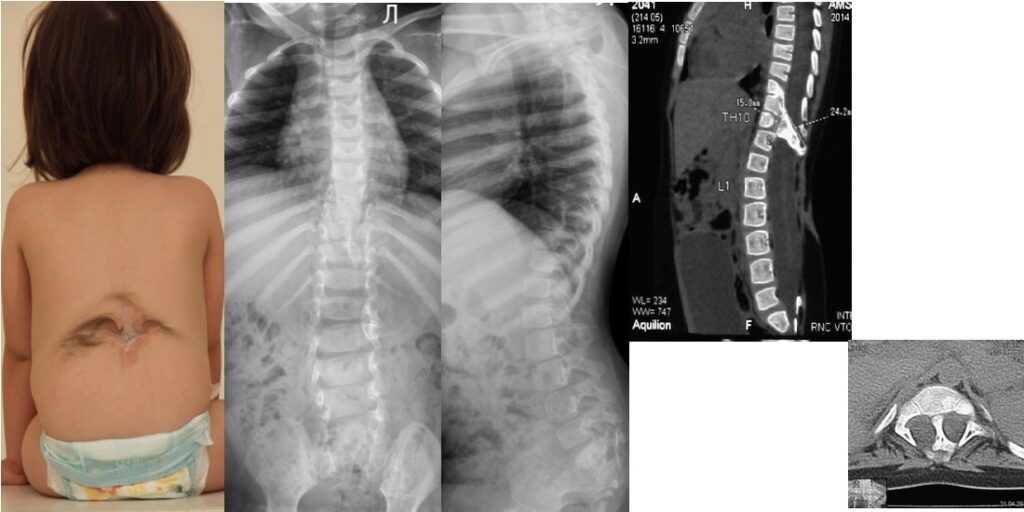
Spina bifida is a condition that affects the development of a baby’s spine during early pregnancy. The spine and brain form from the neural tube in the first month of pregnancy. Spina bifida occurs when the neural tube doesn’t close completely, leaving a gap in the spine. This gap can affect communication between the body, spinal nerves, and brain. Spina bifida only affects parts of the body connected to the open area of the spine or below it; it doesn’t affect the brain, heart, chest, or arms.
What are the different types of spina bifida?
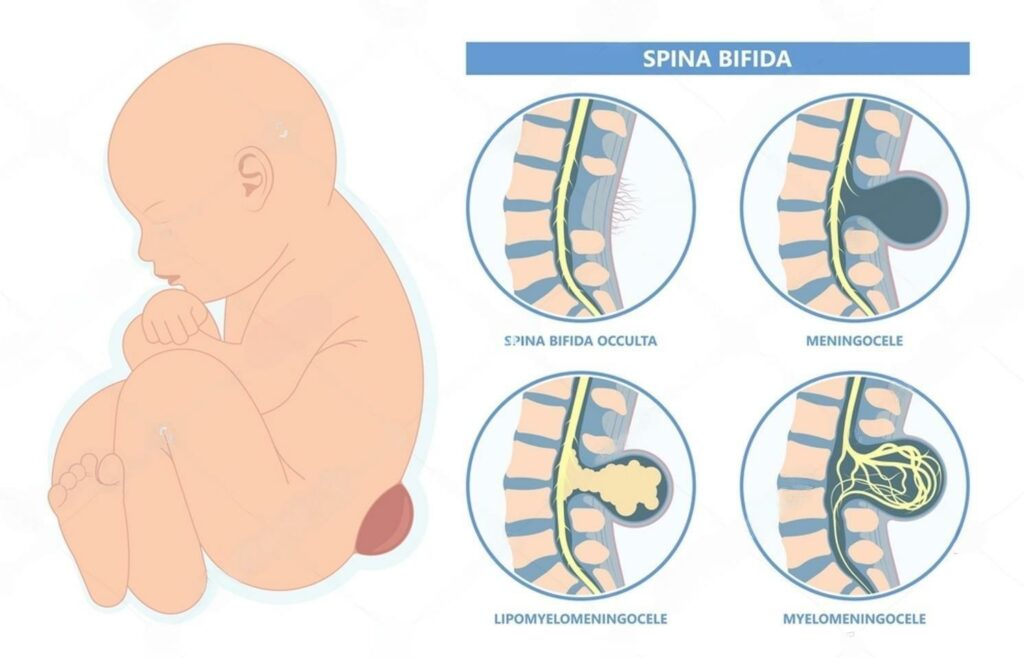
There are different types of spina bifida:
- Spina bifida occulta is the mildest form where the spinal bones don’t connect properly around a healthy spinal cord, often with few or no symptoms.
- Meningocele occurs when the spinal cord is normal, but the protective covering (meninges) pushes out through an opening in the spine.
- Myelomeningocele is the most severe type, where the spinal cord and its protective covering bulge through the spine’s gap, potentially causing:
- Leg weakness and movement difficulties
- Skin sensation issues
- Bladder and bowel control problems
- Learning difficulties
What causes spina bifida?
The exact cause of spina bifida is unknown. It is thought to result from a combination of genetic, environmental, and nutritional factors.
What are the risk factors for spina bifida?
The risk of spina bifida is higher if:
- You or a family member have a history of neural tube defects.
- You have insulin-dependent diabetes and poorly controlled blood sugar.
- You have obesity.
- You take certain medications like valproate or carbamazepine for epilepsy or psychiatric disorders. If you plan to become pregnant, consult your doctor about any medications you take.
How can I prevent my baby from having spina bifida?
Taking a folate supplement daily before pregnancy and during the first 12 weeks can reduce the risk of spina bifida. It is recommended to take 0.5 mg of folate daily. If there’s a family history of spina bifida, the recommended dose is 5 mg daily.
How do I know if my baby might have spina bifida?
Spina bifida can be diagnosed through an ultrasound and blood test between the 16th and 18th weeks of pregnancy, which helps monitor your baby’s development.
What if my baby has spina bifida?
If your baby has spina bifida, educating yourself about the condition will help you prepare. In severe cases, discussing treatment options with your doctor is important. New medical procedures, including in utero treatments, may improve outcomes. A genetic counselor can offer guidance.
What happens when my baby is born?
A baby with spina bifida may require special care at birth. Medical staff will cover any spinal opening with sterile dressings. If needed, a drip may be inserted for fluids and antibiotics. The baby may be placed in an incubator for warmth. Surgery may be required in the first few days to repair the spine or drain excess fluid from the brain.
What care will my child need as they grow?
The level of care depends on the type of spina bifida. Some children will need ongoing medical support, including care from:
- Pediatricians
- Neurosurgeons and orthopedic surgeons
- Urologists
- Clinical nurse consultants
- Social workers
- Physiotherapists, orthotists, and occupational therapists
As the child grows, they may need help with mobility, learning to use the toilet, and other needs.
Tools And Assistance
Support groups and healthcare services can provide advice. Families caring for a child with spina bifida can consult specialists in maternal and child health.
Hospitals and specialized healthcare services offer further support and resources.










Please log in to leave a comment.