Highlights
- Stretch marks are common during pregnancy, especially on the abdomen, thighs, and breasts.
- These marks form when the skin stretches due to rapid weight gain, particularly in the third trimester.
- There is no proven treatment to prevent stretch marks, but they naturally fade over time.
- Some treatments may help reduce the appearance of stretch marks, especially if they are new.
In This Article
- Understanding Stretch Marks
- Causes of Stretch Marks During Pregnancy
- Can You Prevent Stretch Marks During Pregnancy?
- Healthy Weight Gain Recommendations During Pregnancy
- Treatment Options for Stretch Marks
- Possible Complications from Stretch Marks
- Skin Care Tips for Soothing and Relief
- Tools and Assistance
Understanding Stretch Marks
Stretch marks, also known as striae, are lines that may appear on your skin, typically in red, pink, or purple shades. They are common during pregnancy, and most women will develop them at some point.
These marks most often appear on the abdomen, but they can also form on the thighs, breasts, hips, and upper arms. Stretch marks may feel itchy when they first form.
Causes of Stretch Marks During Pregnancy
Stretch marks occur when the skin is stretched too quickly, leading to changes in the deeper layers of the skin. The skin’s surface may appear red, pink, or purple at first due to increased blood flow and inflammation.
Rapid weight gain, especially during the third trimester, increases the likelihood of developing stretch marks. Hormonal changes further contribute to the formation of these marks.
Can You Prevent Stretch Marks During Pregnancy?
Currently, there is no scientifically proven way to prevent stretch marks. However, avoiding rapid weight gain may reduce the risk of developing them. Maintaining a balanced diet and exercising regularly during pregnancy can help control weight gain, potentially lowering the chances of stretch marks.
Healthy Weight Gain Recommendations During Pregnancy
Your Body Mass Index (BMI) can help assess if you’re gaining weight within a healthy range during pregnancy. If your BMI is below 18.5 or above 35, it’s advisable to seek nutrition advice from your healthcare provider for a healthy weight gain strategy.
| Pre-pregnancy BMI (kg/m2) |
Rate of gain 2nd and 3rd trimester (kg/week) |
Recommended total gain range (kg) |
|---|---|---|
| Less than 18.5 | 0.45 | 12.5 to 18 |
| 18.5 to 24.9 | 0.45 | 11.5 to 16 |
| 25.0 to 29.9 | 0.28 | 7 to 11.5 |
| Equal to or greater than 30.0 | 0.22 | 5 to 9 |
Treatment Options for Stretch Marks
Although stretch marks are harmless, some women may opt for treatments to reduce their appearance. No treatment can completely eliminate stretch marks, but early treatment may yield better results, especially when the marks are still new and red.
Effective treatments for red stretch marks include:
- Pulsed dye laser therapy (typically requires 3–5 sessions)
- Vitamin A creams, used in combination with laser therapy
Once stretch marks become white or silver, they are harder to treat, but options like laser therapy and skin needling can still provide some improvement.
Always consult with a healthcare provider before using any treatments during pregnancy.
Possible Complications from Stretch Marks
In rare cases, a condition called polymorphic eruption of pregnancy can develop around the stretch marks on the abdomen. This condition is seen in about 1 in 160 pregnancies and will disappear after childbirth.
Occasionally, if you have a large number of stretch marks, trauma to the area may cause skin tears or wounds within the stretch marks.
Skin Care Tips for Soothing and Relief
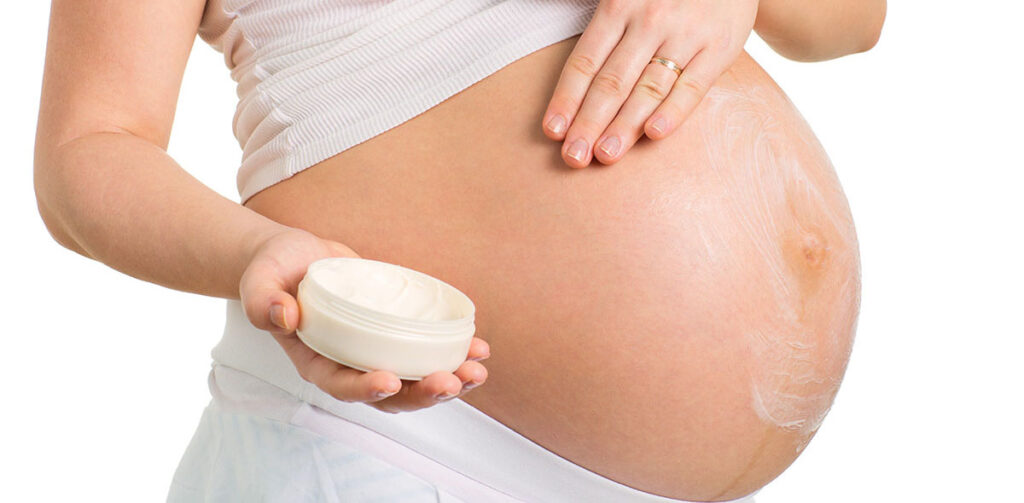
While there’s no way to prevent stretch marks, massaging your skin with oils or creams may make it feel softer. Many non-prescription skincare products are safe to use during pregnancy, but always check with your healthcare provider before using them.
It’s also important to use sunscreen to protect your skin while outdoors, as sunscreen is safe for use during pregnancy.
Tools and Assistance
- Consultation with a Healthcare Provider: For personalized advice and to discuss concerns about stretch marks, consult your doctor or midwife. They can offer guidance on managing stretch marks during pregnancy and recommend safe treatments if necessary.
- Vitamin A Creams: Though effective in treating new stretch marks, avoid using prescription-strength Vitamin A creams like tretinoin during pregnancy. Always check with your healthcare provider before using any topical treatments.
- Laser Therapy Providers: If considering treatments like pulsed dye laser or skin needling, ensure to consult with a certified dermatologist or a licensed professional who has experience with pregnant patients.
- Maternity Support Garments: Compression garments like maternity stockings may help reduce swelling and the appearance of stretch marks, as they can promote circulation and ease discomfort.
- Skincare Products: Use gentle, pregnancy-safe skincare products to moisturize the skin. Always consult a pharmacist or your healthcare provider before using new products, especially if you’re unsure about their ingredients.
- Sun Protection: Ensure the use of sunscreen to prevent further damage from UV rays. Pregnancy-safe sunscreen options can protect your skin and help prevent worsening stretch marks.
- Support Groups: Consider joining online support groups or pregnancy forums where you can share experiences and learn from others who are dealing with stretch marks during pregnancy.











Please log in to leave a comment.