Highlights
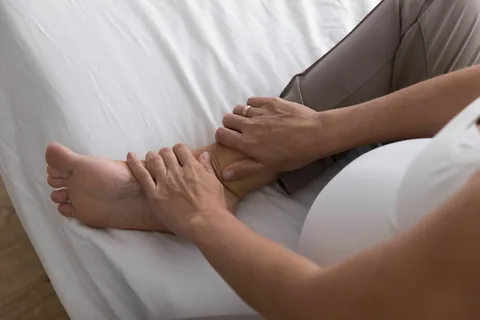
Swelling in the feet and ankles is common during pregnancy. Although it can be uncomfortable, it’s typically not a cause for concern. However, it’s important to understand the reasons behind this pregnancy symptom.
Three main factors contribute to swelling during pregnancy:
- Increased blood volume: Your body produces more blood to support the baby’s growth and development.
- Pressure from the growing uterus: As your baby grows, your uterus presses against veins that return blood from your legs to your heart.
- Hormonal changes: Pregnancy hormones cause the walls of your veins to soften, impairing their function.
These factors cause blood to pool in your legs, and small amounts of blood leak into the surrounding tissues, causing noticeable swelling.
In This Article
- What causes swelling during pregnancy?
- Where and when will swelling occur?
- How can I reduce swelling?
- When should I be concerned about swelling?
What Causes Swelling During Pregnancy?
Swelling is commonly caused by three main factors:
- Increased blood volume: The body produces more blood to meet the needs of both the mother and the developing baby.
- Pressure from the growing uterus: As the baby develops, the uterus presses on the veins that return blood from the legs to the heart, slowing circulation and leading to swelling.
- Hormonal changes: Pregnancy hormones soften the walls of veins, making it harder for them to function properly and causing blood to pool in the legs.
Where and When Will Swelling Occur?
Swelling usually affects the feet and ankles, but may also affect your fingers, causing rings to feel tight. It typically worsens later in the day due to gravity, especially if you’ve been standing for long periods.
Swelling is more common in the later stages of pregnancy, though it generally isn’t harmful, though it can be uncomfortable.
How Can I Reduce Swelling?
There are several ways to alleviate swelling and stay comfortable:
- Avoid standing for long periods. If you must, shift your weight or move around regularly.
- Wear comfortable shoes. Avoid tight shoes that may pinch your feet when swollen.
- Elevate your feet whenever possible to help fluid return to the upper body.
- Limit salt intake to prevent excess fluid retention.
- Sleep on your left side to improve circulation and encourage blood flow back to the heart.
- Engage in physical activity like walking or swimming to promote circulation.
- Wear compression stockings to help blood flow back to the heart.
- Try massage or reflexology to alleviate discomfort.
Drinking plenty of water is also important to prevent dehydration and help maintain overall health.
Normal or Abnormal Swelling?
Swelling in the feet and ankles is typically a normal part of pregnancy. However, certain types of swelling could indicate a more serious issue:
- Persistent swelling: If swelling is present in the morning or doesn’t subside with rest, contact your healthcare provider.
- Swelling in the face or hands: This could be a sign of pre-eclampsia, a dangerous condition marked by high blood pressure.
- Significant changes in swelling: If swelling becomes more pronounced than usual, seek medical attention immediately.
- Uneven swelling: If one leg becomes more swollen than the other, it could indicate a deep vein thrombosis (DVT).
Always seek medical advice if you experience any of these symptoms.
Tools and Assistance
- Immediate Medical Attention: If you notice any signs of pre-eclampsia, DVT, or other unusual swelling, consult a medical professional right away.
- Consult with Your Doctor or Midwife: Regular check-ups with your healthcare provider can help monitor your condition. If swelling is unusual or persists, don’t hesitate to contact them.
- Monitoring Blood Pressure: Keep track of any changes in your blood pressure, especially if swelling occurs in your hands, face, or legs. Regular monitoring is essential during pregnancy.
- Physical Activity & Rest: Balance periods of rest and gentle physical activity like walking to improve circulation and reduce swelling.
- Compression Garments: Compression stockings can assist with reducing swelling in the legs and feet. Consult with your healthcare provider to determine if these are appropriate for you.
- Professional Massage: If you’re dealing with swelling, consider visiting a certified massage therapist trained to work with pregnant women.









Please log in to leave a comment.