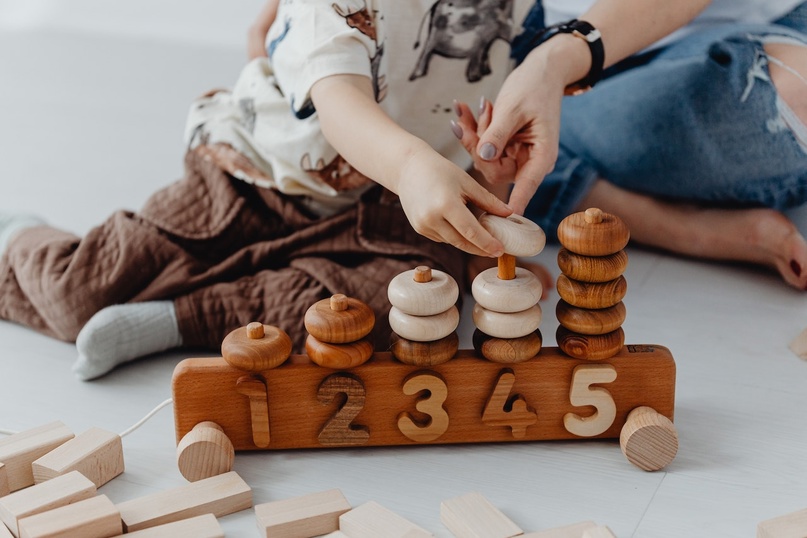
Highlights
- Fine motor skills involve using hands and fingers to control small objects.
- Gross motor skills involve using large muscles for larger movements.
- Children develop motor skills at different rates, but most reach milestones within certain age ranges.
- Early activities such as drawing, building with blocks, or playing with sand can help develop motor skills.
In This Article
- What are motor skills?
- Fine motor skills
- Gross motor skills
- When to seek help
- Tools And Assistance
What Are Motor Skills?
Children develop two types of motor (movement) skills:
- Fine motor skills: Involving the use of hands and fingers for smaller tasks.
- Gross motor skills: Involving the large muscles in the body for bigger movements.
Fine Motor Skills
Fine motor skills engage the small muscles in the hands and fingers, helping your child to:
- Hold
- Grasp
- Grip
- Pinch
Examples of fine motor skills include:
- Buttoning a shirt
- Holding a pencil
- Picking up food
These skills are crucial as they help children learn how to take care of themselves and eventually write. Research suggests a link between fine motor skills development and language, literacy, and brain development.
At What Age Will My Child Develop Fine Motor Skills?
- Babies start grasping objects using their hands between 5 and 6 months old.
- By 18 months, toddlers begin to attempt more complex skills, such as drinking from a cup, trying to dress themselves, and using crayons.
- Between 2 and 3 years old, they may be able to turn doorknobs or screw jar lids.
- By 5 years old, your child may show a preference for one hand over the other.
How Can I Help My Child Improve Their Fine Motor Skills?
You can encourage your child to grow and practice fine motor skills through activities such as:
- Painting, drawing, and using safety scissors.
- Playing with blocks, Lego, or doing puzzles.
- Rolling playdough into shapes and cutting with cookie cutters.
- Playing with sand using spades and buckets.
- Threading beads.
Gross Motor Skills
Gross motor skills involve the larger muscles in the body, like those in the arms, legs, and torso. They are used for activities such as:
- Crawling
- Jumping
- Running
- Throwing
As children develop their gross motor skills, they become more active and energetic.
When Will My Child Develop Gross Motor Skills?
- From their first 2 months, babies begin kicking their legs and waving their arms.
- By 6 to 8 months, most babies can roll, reach, and sit briefly.
- By 12 to 18 months, most babies are walking.
- By 2 years, toddlers can jump over small objects, throw a small ball, and walk up and down stairs.
- By 3 to 5 years, they begin climbing on playground equipment and walking on balance beams.
How Can I Help My Child Improve Their Gross Motor Skills?
Encourage your child to safely explore their environment. Activities include:
- Blowing and chasing bubbles outside
- Dancing to music at home
- Encouraging them to help with tasks like gardening
- Throwing a ball and having them throw it back
- Visiting playgrounds and parks
- Using large toys like ride-ons
When to Seek Help
Although children develop motor skills at different rates, seek advice if your 2- or 3-year-old:
- Can’t run
- Can’t walk up and down stairs, even with help
- Has difficulty using small objects like a crayon
- Doesn’t scribble or try to draw
- Loses physical skills they had previously
Tools and Assistance
If you’re concerned about your child’s motor skills development, there are various tools and resources that can help. You can seek guidance from:
- A pediatrician or child health nurse
- Early childhood education programs
- Developmental milestone trackers and assessments











Please log in to leave a comment.