Highlights
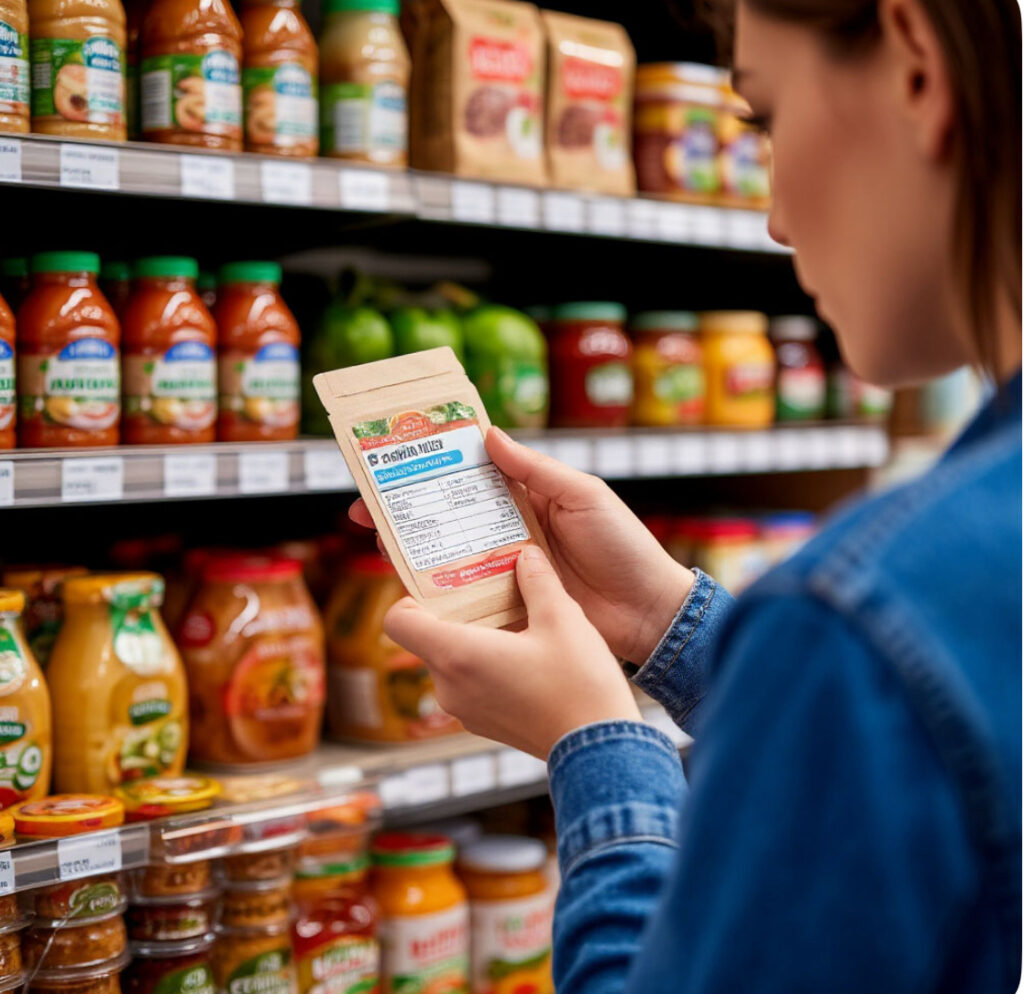
- All manufactured foods are required to have a label by law.
- Food labels provide important safety and nutrition information, including allergen details.
- Food labels help you make informed decisions about the food you purchase and consume.
- They also guide you on how to store food safely.
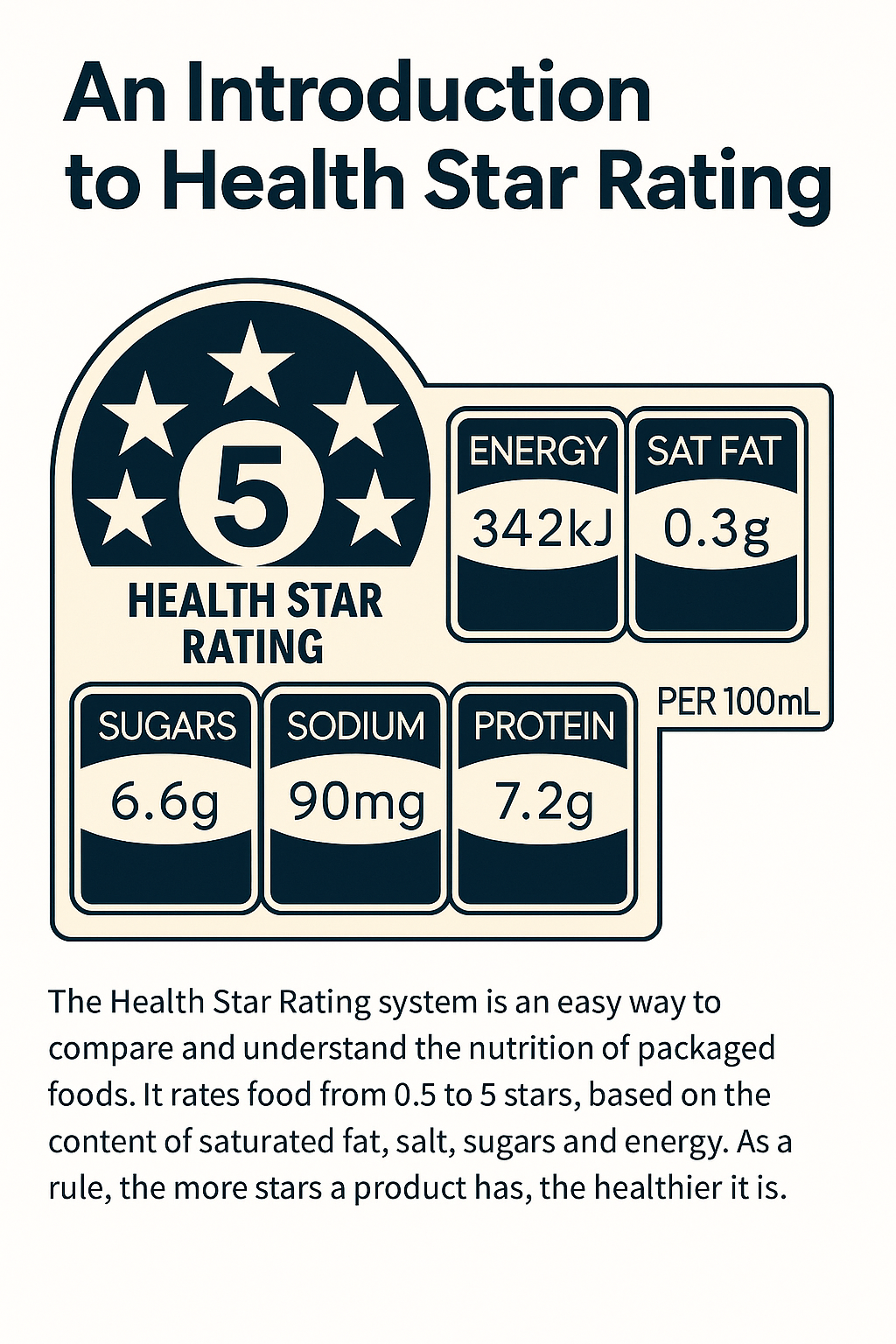
- The Health Star Rating assists in making healthier food choices.
In This Article
- What You’ll Find on a Food Label
- Understanding the Nutrition Information Panel
- How the Health Star Rating (HSR) Works
- Tools And Assistance
What You’ll Find on a Food Label
Food labels contain valuable details to help you make healthier food choices and prepare nutritious meals for your child. The food must meet set standards and include:
- Nutrition information panel
- Percentage of key ingredients
- Accurate product name and description
- Information on allergens
- Date marking and storage directions
- Ingredient list
- Any additives
Food labels must be truthful, and health or nutrition claims must be clearly stated. They must be written in English and be clearly visible on the packaging. The country of origin must also be declared.
Product name and description
The food must have the correct name, such as “Strawberry Snack Bar,” which must contain strawberries, not just strawberry flavoring.
Date marking and directions for storage
- “Use by” date for foods with a short shelf life, indicating safety until that date.
- “Best before” date, which suggests the food is still safe to eat after the date but may have reduced quality.
- Foods that last over two years, such as canned goods, do not require date marking.
Ingredients list
Ingredients must be listed in order of weight, with the main ingredient first. Additives must also be listed, either by name or number.
Food additives
Common food additives must be listed by their class, such as color, flavor, preservative, and thickener.
Health and nutrition claims
Some foods may claim specific health benefits, but these claims are not allowed if the food is high in saturated fat, sugar, or salt. Nutrition content claims must meet specific standards.
Allergens
Food labels must clearly state any allergens, such as:
- Egg
- Fish
- Crustacean
- Milk
- Peanut
- Sesame
- Soy
If the food contains gluten from wheat, barley, oats, or rye, it must be declared as “gluten.” Sulphites must also be declared if present in amounts of 10mg/kg or more.
Understanding the Nutrition Information Panel
The nutrition information panel shows the amount of key nutrients per serving and per 100g or 100mL, including:
- Protein
- Fat
- Saturated fat
- Carbohydrates
- Sugars
- Sodium
- Energy in kilojoules (or kilojoules and kilocalories)
Nutrition information panels are not required for unpackaged foods or very small packets like spices or tea.
How the Health Star Rating (HSR) Works
Tools And Assistance
If you want to learn more about reading and understanding food labels:
- If your child has allergies or food sensitivities, be extra cautious with allergens listed on labels and consider professional advice.
- Talk to your GP or a dietitian if you have specific dietary needs or concerns about food allergies.
- Nutrition professionals in public health services can guide you on how to interpret labels and make healthier choices.
- Educational materials from trusted health organizations often include examples of food labels and tips for comparing products.
- When shopping, check the ingredient list and nutrition panel — comparing values per 100g or 100mL can help you choose healthier options.












Please log in to leave a comment.