Highlights
- Vaccination is the process of getting a vaccine, while immunisation is when your body builds immunity after receiving a vaccine.
- Vaccinations protect both you and your baby from harmful diseases.
- Some vaccines are recommended before and during pregnancy, while others should be avoided.
- Many vaccines are free during pregnancy under national immunisation programs.
- The Immunisation Register helps track vaccinations for you and your baby.
In This Article
- Vaccination Process
- How Vaccination and Immunisation Work
- Recommended Vaccinations Before Pregnancy
- Recommended Vaccinations During Pregnancy
- Vaccinations to Avoid During Pregnancy
- Side Effects of Vaccinations
- Vaccination Costs
- Immunisation Register
- Tools and Assistance
Vaccination Process
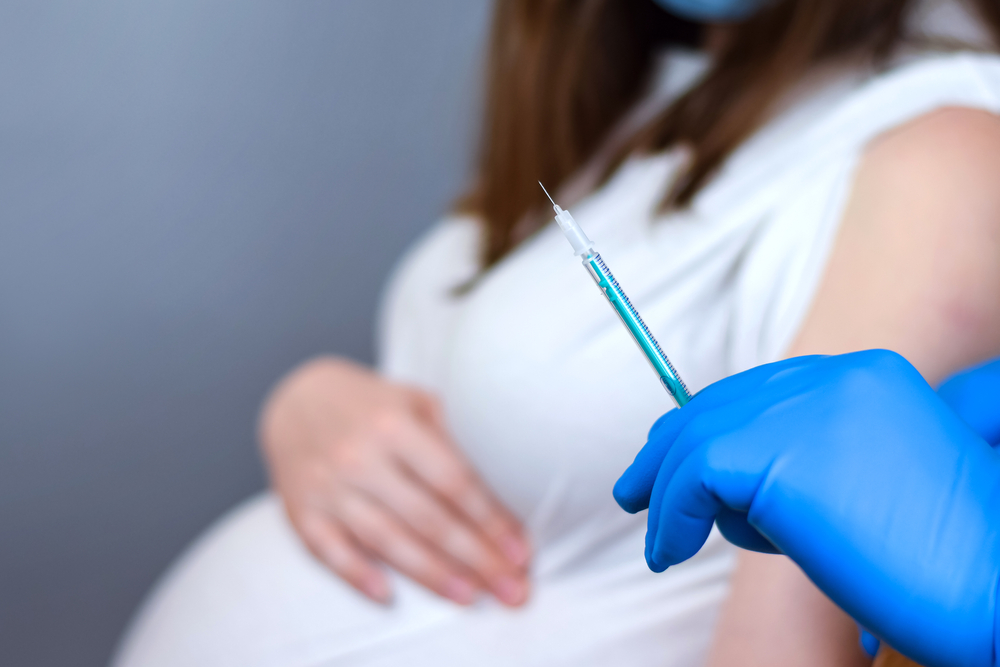
Vaccination is the process of receiving a vaccine, which is a substance used to stimulate the body’s immune system to recognize and fight specific diseases. A vaccine contains a small, harmless part or a weakened form of a virus or bacteria, which prompts the body to build immunity against the disease without causing the actual illness. This preparation helps the immune system develop antibodies, which are proteins that fight off the infection in the future.
Vaccines are typically administered through injections, but some can also be given as liquid drops or nasal sprays. They can be received from various healthcare providers, including doctors, nurses, and sometimes pharmacists.
The development of vaccines involves rigorous testing to ensure they are safe, effective, and free from harmful substances. These vaccines undergo multiple stages of clinical trials to ensure their safety and efficacy before being approved for use by regulatory bodies.
How Vaccination and Immunisation Work
Vaccination works by introducing a small amount of an inactivated or weakened version of a virus or bacteria into the body. This exposure stimulates the body’s immune system to produce antibodies. Antibodies are specialized proteins that can recognize and fight off specific pathogens, such as viruses or bacteria. If the person is later exposed to the disease, the immune system is prepared to recognize and combat the pathogen more quickly and effectively.
Immunisation refers to the process where your body develops immunity after receiving a vaccine. Once immunized, your immune system can respond faster and more effectively to future encounters with the disease. While it is still possible to experience some mild symptoms if infected after being vaccinated, the severity of the illness is typically reduced, and recovery is faster.
Some vaccines require only one dose to provide lifelong protection, while others may require multiple doses or periodic “booster” shots to maintain immunity over time. The exact duration of immunity varies depending on the vaccine and the disease it protects against.
Recommended Vaccinations Before Pregnancy
Before becoming pregnant, it is important to ensure you are up-to-date with vaccines that protect against certain diseases, which can potentially harm both you and your baby. Some vaccines recommended before pregnancy include those for measles, mumps, rubella, chickenpox (varicella), and hepatitis B. These vaccines help prevent serious illnesses and provide protection for both the mother and the unborn child.
If you are unsure whether you have received these vaccines in the past, you can check your immunisation history with your healthcare provider. They may also suggest a blood test to check your immunity to these diseases, ensuring that you are protected before becoming pregnant.
It is generally recommended to have these vaccines at least a few months before trying to conceive, as some vaccines require time to take effect.
Recommended Vaccinations During Pregnancy
During pregnancy, certain vaccinations are strongly recommended to protect both the mother and the baby from infectious diseases. These include the flu (influenza) vaccine and the whooping cough (pertussis) vaccine. Both of these vaccines are important for preventing serious complications during pregnancy.
The flu vaccine can be received at any stage of pregnancy and provides protection against seasonal influenza, which can be particularly dangerous for pregnant women and their babies. The whooping cough vaccine is recommended between 20 and 32 weeks of pregnancy to provide early protection for the baby after birth. However, it is still beneficial to receive the vaccine after 32 weeks, though it may not offer full protection if administered very close to delivery.
Pregnant women are also advised to get the COVID-19 vaccine. Both the Pfizer and Moderna vaccines are considered safe during pregnancy and can be administered at any time. Two doses of the vaccine are recommended, and if you have already received your first dose before pregnancy, it is important to discuss with your healthcare provider whether a booster dose is necessary during pregnancy.
In some cases, pregnant women may also be recommended to receive the respiratory syncytial virus (RSV) vaccine, which is especially beneficial for preventing RSV-related complications in newborns. This vaccine is available during the later stages of pregnancy (between 24 and 36 weeks) and helps provide immunity to the baby.

Vaccinations to Avoid During Pregnancy
While many vaccines are safe and beneficial during pregnancy, there are some vaccines that should be avoided because they contain live viruses. Live vaccines, such as the MMR (measles, mumps, rubella) vaccine, varicella (chickenpox) vaccine, and the yellow fever vaccine, can potentially pose risks to an unborn baby. These vaccines should not be administered during pregnancy and should ideally be given before conception.
It is recommended that women planning a pregnancy receive these vaccines at least 28 days before trying to conceive. The human papillomavirus (HPV) vaccine is also not recommended during pregnancy. If you are already pregnant and have started the HPV vaccination series, it is best to wait until after delivery to complete the series.
If you are unsure whether a vaccine is safe during pregnancy, always consult your healthcare provider. They will be able to guide you on the best course of action and help ensure that you are fully protected.
Side Effects of Vaccinations
Like any medical intervention, vaccines can cause side effects. However, most side effects are mild and temporary. Common side effects include soreness or swelling at the injection site, mild fever, or feeling generally unwell. These side effects typically resolve on their own within a few days.
Serious or long-lasting side effects are rare but can occur in some cases. It is important to be aware of potential side effects and to discuss them with your healthcare provider before receiving a vaccine, especially if you are pregnant. Knowing what to expect can help alleviate concerns and allow you to recognize if something unusual occurs after vaccination.
If you experience any severe side effects, such as difficulty breathing, swelling of the face or throat, or a high fever, seek immediate medical attention by calling emergency services.
Vaccination Costs
The cost of vaccinations varies depending on the vaccine and your location. In many countries, vaccines that are part of the national immunisation programs are offered free of charge to individuals who meet certain criteria, such as pregnant women, children, or those in high-risk groups. However, some vaccines, particularly those not included in the national program, may incur a cost.
In addition to the cost of the vaccine itself, you may need to pay a fee for the administration of the vaccine, which could be charged by your doctor, nurse, or pharmacist. It is a good idea to check with your healthcare provider beforehand to get an estimate of any out-of-pocket expenses you might incur.
Some insurance plans may cover the cost of vaccines, particularly for those recommended during pregnancy, so it is worth checking with your insurance provider to understand what is covered.
Immunisation Register
The Immunisation Register is a national database that records all vaccinations administered to individuals. This system helps to track and manage vaccination histories for both individuals and children, ensuring that people stay up-to-date on the recommended vaccines.
The Immunisation Register makes it easy to access your vaccination records through online portals or by contacting your healthcare provider. If you have received vaccinations through a government program or insurance plan, your records will automatically be updated, allowing you to easily access your immunisation history and stay informed about any upcoming vaccinations.
If you are unsure about your vaccination history or need to check what vaccinations you have received, your healthcare provider can assist you in obtaining this information.
Tools and Assistance
Vaccination is a critical aspect of public health and personal well-being, particularly during pregnancy. If you have any questions about vaccines, immunisation, or pregnancy-related vaccinations, it is important to seek reliable information and speak with your healthcare provider. They can help you make informed decisions based on your specific needs and health considerations.
Remember, vaccinations are a safe and effective way to protect yourself and your baby from serious diseases. Always consult with your doctor or midwife to ensure you are fully informed and protected before and during pregnancy.
Need more information?
Immunisation during pregnancy – Immunisation CoalitionImmunisation during pregnancy is vital to protect the birth-parent and unborn child. We recommend pregnant people receive vaccines for whooping cough, influenza and now COVID-19.Read more on Immunisation Coalition websiteImmunisation in pregnancyDuring pregnancy, you need to take extra care of yourself to ensure you and your baby remain healthyRead more on WA Health websiteImmunisation | NT.GOV.AUVaccination information for adults, children, pregnancy and the workplace.Read more on NT Health websiteImmunisation or vaccination – what’s the difference?What’s the difference between immunisation and vaccination? Find out how vaccines work and the difference between primary and booster doses.Read more on Pregnancy, Birth & Baby websiteImmunisation and vaccinations for your childVaccinations and immunisation protect babies and children. Read more on why and when to vaccinate your child, and about side effects and costs.Read more on Pregnancy, Birth & Baby websiteImmunisation for pregnancy | Australian Government Department of Health and Aged CareFind out about immunisation for women who are pregnant or planning a pregnancy.Read more on Australian Government Department of Health and Aged Care websiteInfluenza and Pregnancy – Immunisation CoalitionPregnant women and newborn babies are especially vulnerable to influenza. Vaccinating against influenza can be life saving for both the mother and child.Read more on Immunisation Coalition websiteShould I get the flu vaccine? – myDr.com.auEveryone should be immunised against influenza this season when the vaccine becomes available, but pregnant women should be immunised at any time.Read more on MyDoctor websitePertussis (whooping cough) | The Australian Immunisation HandbookInformation about pertussis (whooping cough) disease, vaccines and recommendations for vaccination from the Australian Immunisation HandbookRead more on Australian Government Department of Health and Aged Care websiteFactsheets | Sharing Knowledge About Immunisation | SKAIFactsheets The influenza vaccine for pregnant women Getting vaccinated against influenza (also known as ‘the flu’) during pregnancy will protect both you and your baby from a highly contagious viral infection that can have serious complicationsRead more on National Centre for Immunisation Research and Surveillance (NCIRS) website







Please log in to leave a comment.