Highlights
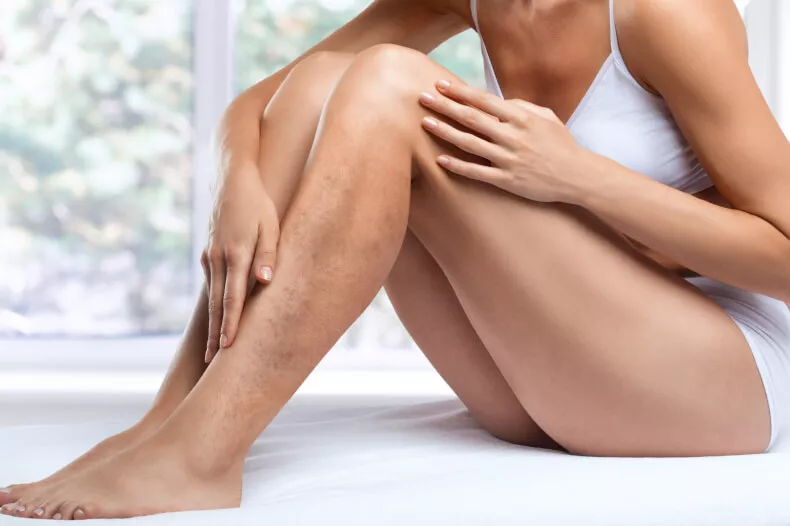
- Varicose veins are swollen blood vessels that develop if blood pools in your veins.
- They usually appear on your legs, but can also affect your vulva or rectum.
- They can cause leg pain that gets worse at the end of the day.
- Varicose veins are common in pregnancy, but they usually get better by the time your baby is 3 to 4 months old.
- You can improve your symptoms by wearing compression stockings, avoiding standing for too long, putting your feet up when you can, and doing ankle exercises.
In This Article
- What Are Varicose Veins?
- Causes of Varicose Veins
- Varicose Veins and Pregnancy
- Common Areas Affected
- Pain and Discomfort
- Health Risks
- Prevention Tips
- Treatment and Recovery
- Managing Symptoms
- Varicose Veins vs. Stretch Marks
- Tools And Assistance
What Are Varicose Veins?
Varicose veins are blood vessels that have collected too much blood. They look blue and swollen. Up to 4 in 10 people who are pregnant get varicose veins. Varicose veins often start in the first trimester of pregnancy.
Causes of Varicose Veins
Healthy leg veins have one-way valves to help blood flow back to your heart. When you walk, your calf muscles pump the blood up towards your heart, and the valves stop it falling back down towards the lower parts of your body, such as your legs.
Varicose veins develop when these one-way valves don’t work as well as they should. This means that your blood flows back down your legs and pools in your veins. This stretches the vein walls and causes the veins to swell, twist and bulge. If they become large enough, you can see them under your skin.
Varicose Veins and Pregnancy
Pregnancy increases your chances of developing varicose veins for 3 main reasons:
- Throughout pregnancy, you produce more blood than usual. This increases the pressure in your veins.
- As your baby grows, your uterus gets bigger and presses on the veins that return blood from your legs to your heart.
- Your pregnancy hormones make the walls of your veins softer, and more likely to bulge.
Because of these effects, varicose veins can develop or get worse during pregnancy. Your risk goes up the older you are and the more full-term pregnancies you’ve had. You’re also more likely to get varicose veins if they run in your family.
Common Areas Affected
Varicose veins mainly develop in your legs. However, you can also get them in your vulva (the area at the opening of your vagina) or rectum (back passage). Varicose veins of the rectum are also known as haemorrhoids.
Pain and Discomfort
Varicose veins can cause aches and pains in your legs. Your legs might feel heavy or restless, and they might throb, burn or cramp. Some people find varicose veins are not painful and give them no problems.
You’ll probably find that your symptoms are worse later in the day because you’ve been standing for longer. By the next morning, you’ll usually feel better because you’ve been lying down and the pressure on your veins has eased.
Health Risks
If you have varicose veins, you’re at higher risk of developing a deep vein thrombosis (DVT). If you’re already at risk of DVT for other reasons, you might need treatment to prevent it. You can discuss this with your doctor or midwife.
Prevention Tips
Exercise helps your circulation generally. Specific exercises like calf raises and walking on the spot are good for helping blood flow in your legs.
Varicose veins might be less likely to develop if you:
- do ankle exercises to get your circulation going — bend each foot up and down and rotate it in circles
- shift your weight from foot to foot regularly while you’re standing
- put your legs up (for example, on a foot stool or another chair) when you’re resting or sitting
- avoid wearing anything tight around your waist or thighs
Treatment and Recovery
If you do develop varicose veins, they will usually get better without treatment by the time your baby is 3 to 4 months old. For this reason, laser and surgical treatments to remove varicose veins are not usually recommended while you’re pregnant.
Managing Symptoms
If you have varicose veins, you can relieve the pain in your legs by:
- exercising regularly, especially ankle exercises
- applying cold packs to the painful veins
- trying not to stand for too long
- sitting with your legs up as often as you can
- lying down on your left side
- not wearing tight clothes or high heels
- wearing compression stockings — these should be fitted professionally
Varicose Veins vs. Stretch Marks
Stretch marks are not the same as varicose veins. Stretch marks are thin pink or purple lines on the surface of the skin. You’ll usually see them appear as your pregnancy progresses, since they are formed when your skin stretches. Varicose veins are different because it’s your veins that are affected, not your skin.
Tools And Assistance
If you’re experiencing varicose veins during pregnancy, there are several ways to ease your symptoms and access helpful support:
- Consulting a Healthcare Provider
Your doctor or midwife can assess the severity of your varicose veins, provide advice on management or prevention, and refer you to a specialist if needed. - Compression Stockings
Professionally fitted compression stockings can help improve blood flow, reduce swelling, and relieve discomfort. It’s important to wear the correct size and compression level for best results. - Personalized Exercise Recommendations
A physiotherapist can suggest safe and effective exercises to activate your leg muscles, support circulation, and ease the feeling of heaviness or tired legs. - Nutritional Guidance
A dietitian can help you identify foods that support vascular health and reduce the risk of vein issues, especially if you have dietary restrictions like vegetarianism or food intolerances. - Emotional and Psychological Support
Pregnancy can bring emotional challenges, especially when physical discomfort is involved. A mental health professional can provide strategies to manage anxiety and stress. - Informational Materials and Handouts
Printed or digital guides with visual instructions for exercises, prevention tips, and symptom management techniques can support you in your daily self-care routine.
Need more information?
ACD A-Z of Skin – Leg VeinsAbnormal veins accumulate too much blood and eventually bulge out as ‘varicose’ veins. Excess blood is forced back into capillaries which enlarge to form ‘spider veins’. Leg VeinsRead more on Australasian College of Dermatologists websiteVaricose veins and spider veins – Better Health ChannelSmaller varicose veins are usually treated by sclerotherapy ? the injection of irritant chemicals into the affected vein.Read more on Better Health Channel websiteSclerotherapy – myDr.com.auSclerotherapy is a treatment that involves the injection of a chemical solution into blood vessels, usually spider veins or superficial (surface) varicose veins on the legs.Read more on MyDoctor websiteVaricose veins – myDr.com.auWhen veins become visibly twisted and swollen, they are called varicose veins. They usually occur in the legs and can cause aching legs and skin irritation. Spider veins are a smaller, milder type of varicose veins.Read more on MyDoctor website






Please log in to leave a comment.