Highlights
- Breastmilk or formula provides all the necessary nutrients for babies up to 6 months of age.
- A well-planned vegetarian or vegan diet can provide babies with all the nutrients they need.
- Careful attention to certain nutrients (iron, calcium, vitamin B12, etc.) is essential in a vegetarian or vegan diet for babies.
- While a vegetarian diet can work for babies, a vegan diet requires extra planning and careful supplementation.
In This Article
- What Is a Vegetarian Diet?
- Understanding a Vegan Diet
- Can Babies Follow a Vegetarian Diet?
- The Balance of a Vegetarian Diet for Babies
- Energy-Rich Vegetarian Foods for Babies
- Protein-Rich Foods for Babies
- Iron-Rich Foods for Babies
- Potential Risks of a Vegetarian Diet for Babies
- Common Challenges of Feeding a Vegetarian Diet
- Can Babies and Toddlers Have a Vegan Diet?
- Risks of a Vegan Diet for Babies
- Supplements for a Vegan Baby
- Foods to Ensure Proper Nutrition for Your Baby
- Tools and Assistance
What Is a Vegetarian Diet?
A vegetarian diet can vary, but it generally excludes meat. Common types of vegetarian diets include:
- Lacto-ovo vegetarians, who avoid meat but consume eggs, milk, and dairy products.
- Lacto-vegetarians, who avoid meat and eggs but include milk and dairy in their diet.
Understanding a Vegan Diet
A vegan diet includes only plant-based foods and excludes all animal products, including meat, dairy, and eggs.
Can Babies Follow a Vegetarian Diet?
Yes, babies can have a vegetarian diet as long as it provides adequate nutrients. Many parents choose a vegetarian diet for their babies for ethical, cultural, or health reasons. You can begin feeding a vegetarian diet once your baby starts eating solid foods.
The Balance of a Vegetarian Diet for Babies
It can be a challenge, but there are many vegetarian options available today. Careful selection of alternative food sources can ensure your baby receives all the necessary nutrients for growth and development.
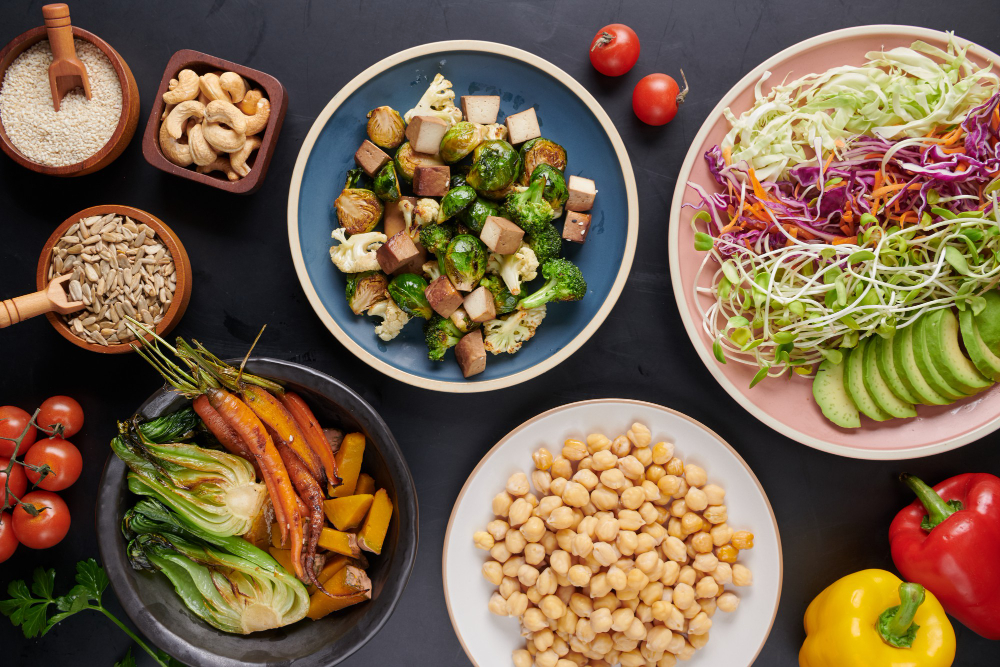
Energy-Rich Vegetarian Foods for Babies
Offer your vegetarian-fed baby a variety of energy-rich foods alongside breastmilk or formula, such as:
- Nut spreads
- Well-cooked egg
- Tofu and tempeh
- Avocado
- Olive and vegetable oils in cooked foods
- Meat substitutes like lentils, nuts, and soy-based products
- Rice, pasta, and other grains
Protein-Rich Foods for Babies
Protein is essential for babies’ growth, so offer protein-rich foods 2-3 times per day. Vegetarian sources of protein include:
- Dairy products
- Nut butters and spreads
- Calcium-fortified plant-based drinks (e.g., soy, oat, rice, almond milk)
- Eggs
- Meat alternatives like Quorn
Iron-Rich Foods for Babies
Iron is vital for oxygen transport in the blood and preventing anemia. Since animal products contain a more readily absorbed form of iron, babies on a vegetarian diet should get iron from non-animal sources:
- Green leafy vegetables
- Legumes (e.g., baked beans, lentils)
- Nuts and seeds
- Eggs
- Dried fruits
Iron absorption is improved with vitamin C, so include fresh fruits and vegetables in meals and snacks.
Potential Risks of a Vegetarian Diet for Babies
One potential risk is that vegetarian diets tend to be high in fiber, which can make babies feel full before they’ve eaten enough to meet their energy needs. Make sure to offer foods high in healthy fats, such as:
- Dairy foods or calcium-fortified soy milk
- Eggs
- Tofu
- Nut spreads (be sure to avoid whole nuts until the baby is at least 5 years old due to choking hazards)
Common Challenges of Feeding a Vegetarian Diet
When dining out, it can be difficult to find suitable vegetarian options for babies. Plan ahead by packing food from home or discussing your baby’s needs with day care providers. Consider bringing foods that you know your child will enjoy and eat.
Can Babies and Toddlers Have a Vegan Diet?
Feeding babies and toddlers a vegan diet can be more challenging, as it requires careful planning to ensure they get enough nutrients. Vegan diets tend to be more restrictive, so it’s essential to include the right food choices and supplements.
Risks of a Vegan Diet for Babies
Vegan diets may be deficient in key nutrients like iron, calcium, and vitamin B12, which are crucial for a growing baby. Breastfeeding is highly recommended for babies on a vegan diet for the first two years. If not breastfed, babies should be fed a soy-based formula during this time.
Supplements for a Vegan Baby
Experts recommend that vegan babies may need a vitamin B12 supplement to meet their nutritional needs.
Foods to Ensure Proper Nutrition for Your Baby
To ensure your baby gets the right nutrition, focus on a balanced diet that includes a variety of plant-based foods rich in protein, iron, calcium, healthy fats, and vitamins. Supplements, like vitamin B12, might also be necessary for vegan babies.
| Typical Diet | Vegetarian Diet | Vegan Diet |
|---|---|---|
| Meat/chicken/fish | cooked egg dishes/lentils/whole meal pasta with cheese/vegetable sauce/vegetable lasagna or pizza/zucchini or vegetable slices | vegetable soup with stock/beans/pulses/lentil/pasta with vegetable sauce/hummus with vegetables/steamed potato and/or sweet potato/mashed banana with nut butter/lentils/tofu |
| Cereals with milk | iron fortified cereal with milk or calcium fortified soy milk | cereal with fortified soy milk |
Tools and Assistance
If you are considering feeding your baby a vegetarian or vegan diet, here are some helpful tools and resources:
- Lactation consultants: If you’re breastfeeding, a lactation consultant can help ensure your baby is getting enough nutrients.
- Pediatricians or dietitians: Consult with your healthcare provider to create a nutrition plan tailored to your baby’s dietary needs.
- Vegan and vegetarian baby food cookbooks: These resources can help you plan meals with a variety of nutrient-dense foods for your baby.
- Baby food brands: Look for baby food brands that offer vegetarian and vegan options to ensure proper nutrient intake.
- Parent support groups: Join online communities or local support groups for guidance from other parents who feed their babies vegetarian or vegan diets.
By carefully planning and ensuring a balanced diet, you can provide your baby with all the nutrients they need to grow and thrive on a vegetarian or vegan diet.








Please log in to leave a comment.