Highlights
- Toddlers eating a vegetarian or vegan diet need one that’s well balanced with plenty of calories.
- Breastmilk or formula are important sources of nutrition in the first 12 months.
- Toddlers grow and develop quickly, and they need frequent healthy meals and snacks.
- Toddlers can be picky with eating, which can add to the challenge of offering certain diets.
- Toddlers on a vegan diet often need fortified foods and/or supplements.
In This Article
- What Is a Vegetarian Diet?
- What Is a Vegan Diet?
- Can Toddlers Have a Vegetarian Diet?
- Risks of a Vegetarian Diet
- Challenges of a Vegetarian Diet
- Can Toddlers Have a Vegan Diet?
- Risks of a Vegan Diet
- Challenges of a Vegan Diet
- Do Toddlers Need Supplements?
- Supporting Good Nutrition
- Food Suggestions for Vegan Toddlers
- Tools And Assistance
What Is a Vegetarian Diet?
A vegetarian diet can have different definitions. For example, lacto-ovo vegetarians avoid meat but eat eggs, milk, and dairy food. Lacto-vegetarians avoid meat and eggs but eat milk and dairy food.
What Is a Vegan Diet?
A vegan diet is based on food from vegetables and plant-based products. It excludes food from animals.
Can Toddlers Have a Vegetarian Diet?
Toddlers can have a vegetarian diet if the food they eat contains enough energy and nutrients for them to grow. Toddlers are busy and adventurous and need a lot of high-quality foods to support their growth and energy needs. A nutrient-rich diet is important for healthy growth and development.
Parents with a vegetarian diet are more likely to give their toddler the same types of plant-based food. However, they need to be in a suitable form for toddlers to chew and digest. Whatever diet parents choose to give their toddler, it is important to ensure their food is healthy and nutritious.
Risks of a Vegetarian Diet
One of the risks of a vegetarian diet is the potential for nutritional deficiencies. Iron, vitamin B12, zinc, and protein are in high concentrations in animal-based food. Plant-based food tends to be high in fiber, which can create a sensation of fullness, especially in a small stomach. This means that toddlers may not eat enough energy-rich food to meet their growing needs.
Challenges of a Vegetarian Diet
It can sometimes be difficult to source a quality, vegetarian-based alternative when eating out.
Day-care centres that cater meals often include ‘meat-free’ days, making it easier for vegetarian toddlers to eat what is on offer.
Can Toddlers Have a Vegan Diet?
Toddlers can have a vegan diet if parents ensure they get enough nutrients. It can be challenging for toddlers to get enough nutrients, particularly vitamin B12, protein, and iron, from plant-based food. It is also harder for the body to absorb non-haem iron when it is in plant form. Often, toddlers fed a vegan diet need to have iron or calcium fortified foods or supplements.
Cereals, bread, and plant-derived milk alternatives, such as soy milk, are available at supermarkets and health-food stores. It is important for parents to read food labels and be familiar with what each product contains.
Risks of a Vegan Diet
Toddlers fed a fully vegan diet are at risk of becoming deficient in some nutrients and minerals. Plant-based food is harder to digest, and growing toddlers need to eat a lot of them to get enough nutrients. Food that is fortified with iron, calcium, vitamin B12, and protein can help boost nutrient levels.
Vitamin B12 is only found in animal-based food, so it’s important to ensure a toddler gets enough through other sources.
Challenges of a Vegan Diet
Vegan food can be limited when eating out. It often helps for parents to plan and take their own food. If your child attends day care, speak with the staff who plan the menu and do the cooking. If they don’t have something your child eats, you may need to send this with your child to day care.
Do Toddlers Need Supplements?
Toddlers eating eggs and milk, and a range of fruits, vegetables, and whole grains, don’t generally need supplements. Protein from beans, lentils, pulses, and grains are ideal sources of protein for both vegetarian and vegan children.
Vitamin C-rich foods help the body to absorb iron from plant-based food. Offer your toddler fresh fruits and vegetables each day to reduce the risk of iron deficiency anemia.
Supporting Good Nutrition
Toddlers often refuse to eat some foods because they don’t like their look, taste, or texture. They also go through phases of wanting to eat the same food at each mealtime, eating small amounts, or wanting to ‘graze’ throughout the day, rather than eating larger volumes less frequently. This can make mealtime particularly challenging, especially when their diet is already restricted.
It can help to offer the same food in a different form. For example, offer whole chickpeas or lentils in a spread such as hummus, or green leafy vegetables and grains in stews or casseroles. Yoghurt mixed with flaxseed gives them calcium and essential fatty acids.
Another way to boost a toddler’s nutritional intake is through healthy drinks. Smoothies made from milk (or milk alternatives), yoghurt, and fruit or vegetables can be popular, as long as they’re not given too often.
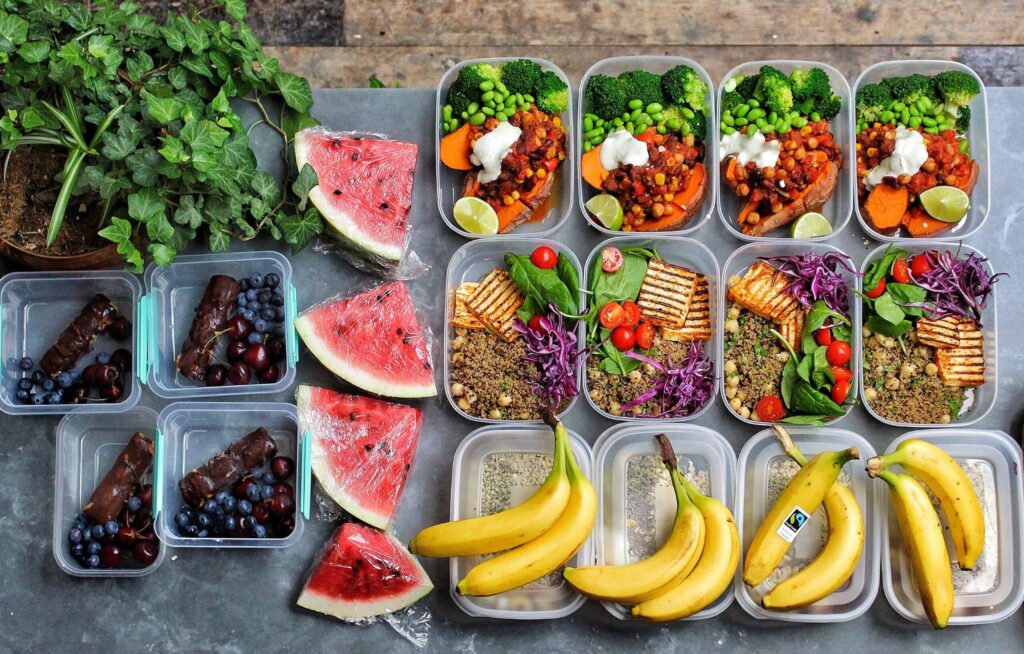
Food Suggestions for Vegan Toddlers
Here are some vegan food suggestions for toddlers:
- tofu, tempeh, or other soy alternatives
- nut spreads on toast, bread, or crackers
- avocado — mix it up with fruit or yoghurt
- high-quality cereals which are iron fortified — wholegrains are ideal
- meat substitutes, such as lentils, nutmeat, soy burgers, or Quorn (check the salt and saturated fat content)
- quinoa and other grains
- healthy fats contained in extra virgin olive oil
For vegetarian toddlers, add milk, dairy products, and eggs to the above.
Tools And Assistance
Speak with your GP and a maternal child health nurse to make sure your toddler is getting the right nutrition.
You can also:
- Consult a registered dietitian who specialises in paediatric or plant-based nutrition. They can help design a balanced meal plan tailored to your child’s needs.
- Use a nutrition tracking app (such as MyFitnessPal or Cronometer) to monitor nutrient intake, especially for iron, calcium, vitamin B12, and protein.
- Join parenting groups or forums focused on vegetarian and vegan families to share experiences, meal ideas, and practical tips.
- Look for government resources or reputable websites (e.g., NHS, Australian Government’s Health Direct, Eatright.org) for up-to-date information on children’s nutrition.
- Ask your local child care provider or kindergarten to accommodate your child’s dietary needs and discuss any concerns with the staff.
- Keep a food diary to track your child’s preferences, intolerances, or reactions, which can be helpful during consultations with health professionals.
With the right tools and professional support, a plant-based diet can be both safe and nourishing for your toddler.






Please log in to leave a comment.