Highlights
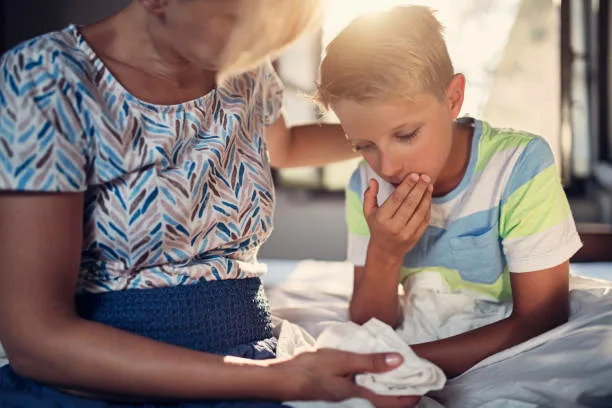
- Vomiting is common in children aged 1-5 years and is usually caused by infections like viral gastroenteritis.
- Some children are more prone to vomiting, especially those with reflux.
- Vomiting is often accompanied by symptoms like fever, diarrhea, and dehydration.
- In most cases, children recover quickly, but serious conditions like appendicitis should be considered.
In This Article
- What can cause vomiting in children?
- What other symptoms might your child have?
- How do I treat my vomiting child at home?
- Should my child stay at home?
- How can I limit the spread of vomiting germs?
- What to do when your child is vomiting
- Tools And Assistance
What can cause vomiting in children?
Vomiting in children is often caused by viral gastroenteritis, but can also be triggered by infections such as the common cold or a urinary tract infection. Food poisoning, food allergies, and even severe coughing (especially if the child has reflux) can lead to vomiting. Diarrhea, fever, and general illness often accompany vomiting, and some children may experience motion sickness, leading to vomiting while in a car or pram. In rare cases, vomiting may indicate a more serious condition like appendicitis or an obstruction.
What other symptoms might your child have?
Vomiting can sometimes be the only symptom when a child is unwell. Some children may also experience nausea or appear listless and quiet. The child’s age and development may affect how well they can communicate their discomfort.
How do I treat my vomiting child at home?
The most important treatment is ensuring your child stays hydrated. Offer small amounts of fluids like breast milk, formula, or oral rehydration solutions. Avoid sugary drinks. Encourage frequent, small sips of fluid rather than large amounts at once. While children may not feel like eating, drinking fluids helps prevent dehydration.
Should my child stay at home?
Yes, it is best to keep your child at home while they are vomiting, even if the cause is not contagious. This helps them rest and recover. Adequate sleep, hydration, and rest will support their immune system and speed up recovery.
How can I limit the spread of vomiting germs?
To limit the spread of germs, keep your child isolated from others. Don’t allow them to share cups or plates. Clean all linens and clothes in hot water. Make sure to wash your hands thoroughly after cleaning up vomit, and disinfect surfaces using disposable paper towels and a disinfectant spray.
What to do when your child is vomiting
Stay calm and monitor your child’s condition. Keep track of the frequency and amount of vomiting and fluid intake. Pay attention to the color of their urine (dark yellow or orange can indicate dehydration). Do not give any medication to stop the vomiting unless prescribed by a doctor. Encourage rest and sleep, ensuring that the child can be roused if necessary and does not sleep excessively.
Tools And Assistance
Contact a doctor if you are concerned about your child’s health or if they are not improving. Seek medical attention if vomiting lasts for more than 12 hours or if signs of dehydration appear. Also, consult a doctor if your child is unable to tolerate fluids, vomits blood or bile, or shows signs of lethargy, dehydration, or lack of urination. If the vomit contains blood, your child appears pale, has no tears when crying, or shows other concerning symptoms such as fever, rash, or stomach pain, you should seek medical help immediately.












Please log in to leave a comment.