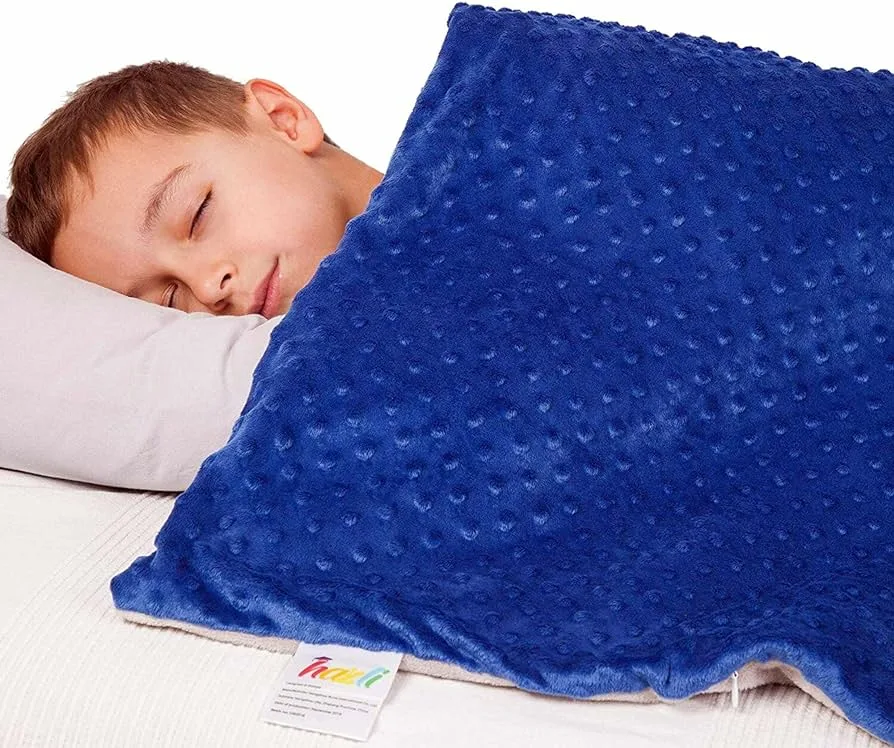
Highlights
- Weighted blankets are not safe for children, especially babies who may roll onto their tummy.
- Originally used by occupational therapists for sensory processing disorders.
- No strong evidence supports claims that weighted blankets improve sleep or reduce anxiety.
- Safety during pregnancy is not well-researched.
In This Article
- What Are Weighted Blankets?
- Who Are Weighted Blankets For?
- Are Weighted Blankets Safe for My Child?
- What Can I Do About Sleep and Stress?
- Tools And Assistance
What Are Weighted Blankets?
Weighted blankets, also called sensory, calming, anxiety, or support blankets, contain pockets filled with sand or beads. They are marketed as a tool to help with relaxation, but their safety and effectiveness are not well-established.
Originally, occupational therapists used weighted blankets for individuals with sensory processing disorders, including autism spectrum disorder (ASD). However, scientific evidence supporting their use is limited, and they pose safety risks, particularly for sleeping children. Weighted blankets should only be used under professional guidance.
Who Are Weighted Blankets For?
Weighted blankets are sometimes used by occupational therapists for individuals with sensory processing disorders. Some adults report feeling less anxious or stressed when using them. People with insomnia or other sleep issues may also find them helpful.
Some parents believe weighted blankets improve sleep behavior in children. While healthy adults can choose to use them safely, weighted blankets can be hazardous for young children, who may become trapped underneath. They should not be used in infant sleep spaces due to the risk of suffocation.
Are Weighted Blankets Safe for My Child?
There is little research on the safety of weighted blankets or their effectiveness in improving children’s sleep. They do not provide a safe sleep environment for babies, particularly those who can roll over. While some manufacturers claim benefits, there is no clear evidence supporting their use.
Safe sleeping guidelines recommend avoiding loose bedding for children, especially in cots, to prevent the risk of suffocation and overheating. Young children may lack the strength to move out from under a weighted blanket, posing additional dangers.
Risks associated with weighted blankets include:
- Increased risk of suffocation and overheating.
- Higher risk of sudden unexpected death in infancy (SUDI), particularly if a baby sleeps on their stomach under heavy bedding.
- Choking hazards if the weighted beads inside the blanket become loose.
What Can I Do About Sleep and Stress?
To improve sleep quality:
- Try to maintain a consistent bedtime routine.
- Consult a healthcare professional if stress or anxiety is affecting sleep.
- Practice relaxation techniques such as meditation and maintain good sleep habits.
- Avoid screens (phones, tablets) for at least an hour before bedtime.
- Reduce caffeine and stimulant intake, especially in the evening.
Tools And Assistance
If you or your child are experiencing sleep difficulties or stress, these resources and approaches may help:
- Consult a healthcare professional: Talk to your doctor, pediatrician, or a licensed sleep specialist for personalized advice on sleep and anxiety.
- Speak with a child psychologist or occupational therapist: They can help assess whether sensory tools like weighted blankets are appropriate and safe for your child.
- Mental health hotlines and support services: Many countries offer 24/7 emotional support. Look for trusted national or local mental health helplines in your region.
- Parenting support centers: Local organizations often provide free or low-cost support for families, including guidance on safe sleep and child development.
- Mindfulness and relaxation tools: Apps like Headspace, Calm, or Insight Timer can support better sleep and reduce stress through guided meditation and breathing exercises.
- Educational websites: Look for government or hospital websites in your country that provide information about children’s sleep, development, and emotional well-being.
Before using any sleep aid with your child, especially a weighted blanket, always seek guidance from a qualified professional to ensure safety.












Please log in to leave a comment.