Highlights
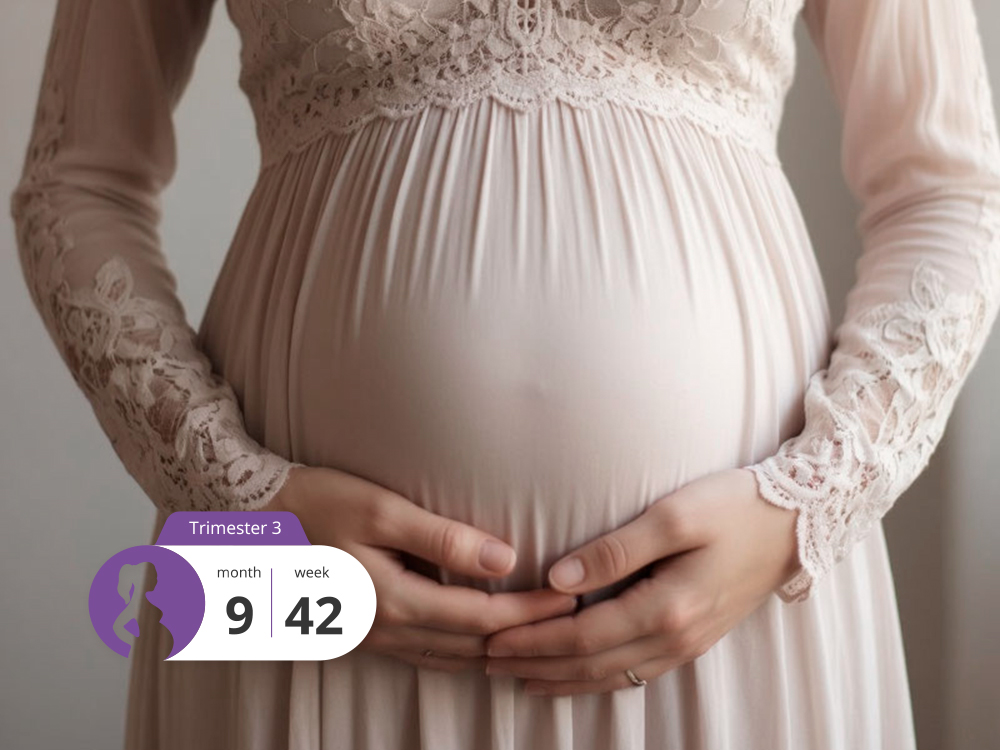
- Pregnancy reaching 42 weeks is considered post-term and occurs in about 1 in 10 pregnancies.
- Two main types: prolonged pregnancy (related to hereditary/endocrine factors) and post-term pregnancy (linked to maternal health conditions).
- Baby size: 50–53 cm, 3.6 kg; continues limited growth.
- Maternal sensations: pelvic discomfort, back and leg swelling, frequent urination, fatigue, colostrum production.
- Monitoring and medical guidance are essential; labor induction or Cesarean may be recommended if risks arise.
In This Article
- Understanding Post-Term Pregnancy
- Causes of Prolonged and Post-Term Pregnancy
- Fetal Development at 42 Weeks
- Maternal Sensations and Physical Changes
- Fetal Movements and Monitoring
- Medical Supervision and Necessary Tests
- Obstetric Interventions
- Recommendations for Expecting Mothers
- Nutrition Before Labor
- When to Go to the Hospital
- Tools and Assistance
Understanding Post-Term Pregnancy
If labor has not started by 42 weeks, the pregnancy is considered post-term. These cases are rare, occurring in roughly 10% of pregnancies.
Two categories exist:
- Prolonged pregnancy: typically linked to hereditary factors or maternal endocrine characteristics.
- Post-term pregnancy: often associated with maternal health conditions.
Causes of Prolonged and Post-Term Pregnancy
Prolonged Pregnancy:
- Irregular or long menstrual cycles (≥30 days).
- Family history of late-term pregnancies.
- First-time mothers.
- Anxiety or fear about childbirth during pregnancy.
- Miscalculated gestational age, especially in irregular cycles.
Post-Term Pregnancy:
- Metabolic disorders or vitamin deficiencies.
- Late sexual maturation.
- Endocrine system diseases.
- Late-pregnancy toxicosis (gestosis).
- Family history of post-term pregnancies.
- Previous miscarriages or abortions.
- Psychological trauma.
Most babies born after prolonged or post-term pregnancies are healthy and develop normally.
Fetal Development at 42 Weeks
- Size: 50–53 cm, 3.6 kg.
- Head: firmly positioned in the pelvic region, preparing for birth.
- Adrenal glands: produce stress hormones to help cope with labor.
- Skull bones may begin to harden, which can pose risks during delivery.
- Skin: may appear dry or wrinkled; vernix caseosa is largely gone.
- Nails: can grow long; excessive growth may cause scratches.
- Ultrasound may detect signs of fetal discomfort if oxygen or nutrient supply is insufficient.
Most babies remain healthy, but prolonged oxygen or nutrient deprivation can cause complications.
Maternal Sensations and Physical Changes
- Pelvic bones gradually widen, causing intermittent discomfort.
- Lower back, legs, and abdomen are under pressure; swelling is common.
- Pre-labor signs intensify: stronger Braxton Hicks contractions, abdominal hardening, colostrum production.
- Frequent urination due to bladder pressure.
- Fatigue, weakness, and sleepiness increase.
Fetal Movements and Monitoring
- Movements are slower and less intense than in earlier weeks.
- Mothers should feel at least 10 movements within 12 hours.
Medical Supervision and Necessary Tests
- Weekly obstetric visits are essential.
- Tests to assess post-term pregnancy include:
- Amniotic fluid quantity and quality.
- Placental thinning or deformation.
- Presence of meconium in amniotic fluid.
- Fetal heart rate.
- Cervical shortening and dilation.
- Colostrum analysis.
- Common procedures: ultrasound, Doppler, cardiotocography.
- Results of the first-trimester triple test (hCG, AFP, estriol) help assess risk factors.
Obstetric Interventions
- Doctors weigh risks such as: fetal hypoxia, meconium aspiration, large fetal size, skull bone hardening, placental insufficiency, oligohydramnios, umbilical cord complications, and lack of vernix.
- Labor may be induced with hormonal medications or, if severe complications arise, Cesarean section may be performed.
Recommendations for Expecting Mothers
- Maintain close medical supervision and attend all appointments.
- Avoid strenuous activities; walking outdoors is recommended.
- Stay calm; focus on preparing mentally and physically for childbirth.
- If labor induction is necessary, options may include: long walks, castor oil enema, nipple stimulation, or intimacy with a partner.
- Prepare hospital bag, ensure hygiene, and finalize baby’s clothing.
- Always carry medical records, documents, and phone during outings.
- Engage in reading or educational materials on pregnancy, childbirth, and newborn care.
Nutrition Before Labor
- Focus on light, easily digestible meals.
- Include vegetable salads, fresh carrot juice, flaxseed decoctions, protein sources (beef, fish, chicken).
- Limit excessive dairy to prevent premature skull hardening.
- Drink 1–1.5 L fluids daily: water, fruit compotes, herbal teas.
- Avoid alcohol, coffee, soda, fast food, smoked, salty, fried, and fatty foods.
- Eat small portions 6–7 times daily, cooked by steaming, baking, or stewing.
When to Go to the Hospital
- Significant vaginal bleeding (possible placental abruption).
- Leakage or sudden rupture of amniotic fluid without contractions.
- Contractions that suddenly weaken or intervals shorten.
- Symptoms of gestosis: nausea, vomiting, fainting, swelling, high blood pressure.
- Sharp abdominal pain.
After 40 weeks, routine hospitalization is recommended for monitoring, especially in post-term pregnancies.
Tools and Assistance
- Fetal movement tracker to ensure 10 movements in 12 hours.
- Maternity support pillow for comfort.
- Hospital bag checklist ready for sudden labor.
- Breathing and relaxation exercises for labor preparation.
- Professional support: obstetric monitoring, emergency contact plan.
- Educational resources: prenatal courses, guides, apps, and literature on childbirth and newborn care.












Please log in to leave a comment.