Highlights
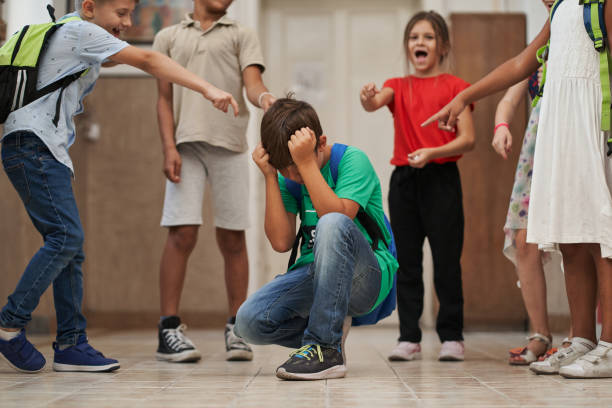
- Bullying is a form of aggressive or violent behaviour that happens when one child tries to abuse their power over another child.
- Helping children to protect themselves is more likely to be successful than trying to stop the bullies.
- Signs of bullying to look out for include physical injuries, poor sleeping patterns, and not wanting to go to school or preschool.
- If your child tells you that they are being bullied, reassure them that you believe them and that they did the right thing by telling you.
- If your child is being bullied, help them create a practical plan with steps and strategies of how to prevent it from happening again.
In This Article
- What Bullying Is
- How to Recognise If Your Child Is Being Bullied
- Stopping the Bullying
- If Your Child Is the One Bullying
- Tools And Assistance
What Bullying Is
Bullying is a form of aggressive or violent behaviour. It happens when one child tries to abuse their power over another child.
Bullying can take many forms, such as:
- Teasing repeatedly to hurt someone’s feelings
- Leaving someone out of games and activities
- Spreading gossip or hurtful stories about someone
- Verbal abuse, insults, threats, aggressive behaviour, or physical attacks
Cyberbullying is a growing problem. It involves using electronic media, such as social media or mobile phones, to hurt or embarrass someone.
How to Recognise If Your Child Is Being Bullied
Signs to look out for include:
- Physical injuries (such as bruises, scratches or bites)
- Poor sleep patterns or starting to wet the bed (if your child was previously dry at night)
- Asking for extra money or food
- Not wanting to go to school or preschool
- Lower quality schoolwork or homework
- Wanting to sit alone and not taking part in activities
- Anxiety, having mood swings, being unhappy or angry
Stopping the Bullying
Here are 5 steps to help stop bullying:
- Stay calm and listen to your child. Let them know you believe them and that they did the right thing by telling you.
- Act quickly to find ways to stop the bullying. Talk to your child about strategies they can use.
- Create a plan to deal with the bullying. Write down practical steps and strategies.
- Work with your child’s school. Notify the teacher or school principal to work together on stopping the bullying.
- Do not blame the bully. Focus on the positive actions your child can take.
If Your Child Is the One Bullying
Children bully for many reasons, and they may also be bullied themselves.
Bullies may have developmental, behavioural, or emotional challenges.
If your child is bullying another person, take action quickly. Talk to your child about their behaviour and explain that it is not acceptable.
Tools And Assistance
If your child is being bullied, or if your child is doing the bullying, consider seeking help from a mental health professional.












Please log in to leave a comment.